Sean Sullivan at Jack Hanley Gallery in New York City
by Gae Savannah
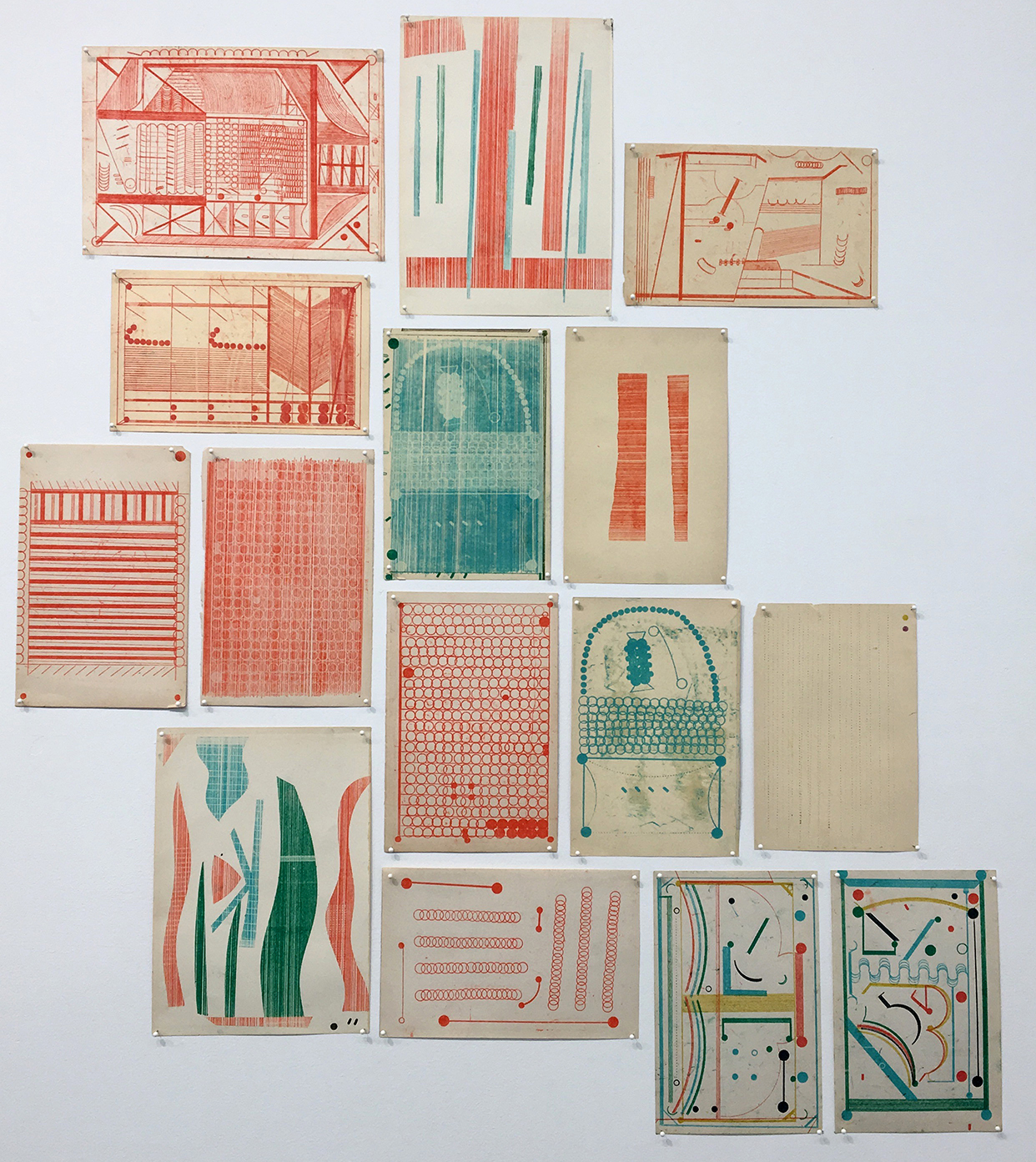
A medley of riffs, measured out and then not. In “á ùne éa, #1-15,” musical bar lines form initial structures. Wayward marks though, soon follow. Through Sean Sullivan’s guileless delight in clumsy shapes and patterns, a language of flaw emerges. Included are two printmaking matrices, post oil-transfer process. They have a muffled softness, invoking a state of being, deep in non-verbal, right brain. Elsewhere, crisply printed, orange and green fragments embody the buoyant feelings of up-tempo music. Overall, Sullivan’s understatement brings to mind a Jarmusch film (say, Stranger than Paradise). Jarmusch forgoes high action, alternately crafting the screenplay out of the uneventful scenes that would end up on the cutting floor of a Hollywood blockbuster. Slowly engrossing like a French film such as Tous Les Matins du Monde, this group muses on the quiet satisfaction of making something by hand. Smudges from the rubbing process acknowledged, the work conveys a humanity.
A broad costume category can help organise choices for events, group shoots and themed projects. The final choice should reflect the intended character and event context. For a structured overview, Demon Slayer cosplay costumes for photo shoots(鬼滅の刃 撮影用コスプレ衣装) can be reviewed as the relevant series category. The surrounding options may be assessed according to theme and intended use. A useful comparison considers character identity, preparation time and the planned setting. Accessories and styling can be considered after the main direction is clear.
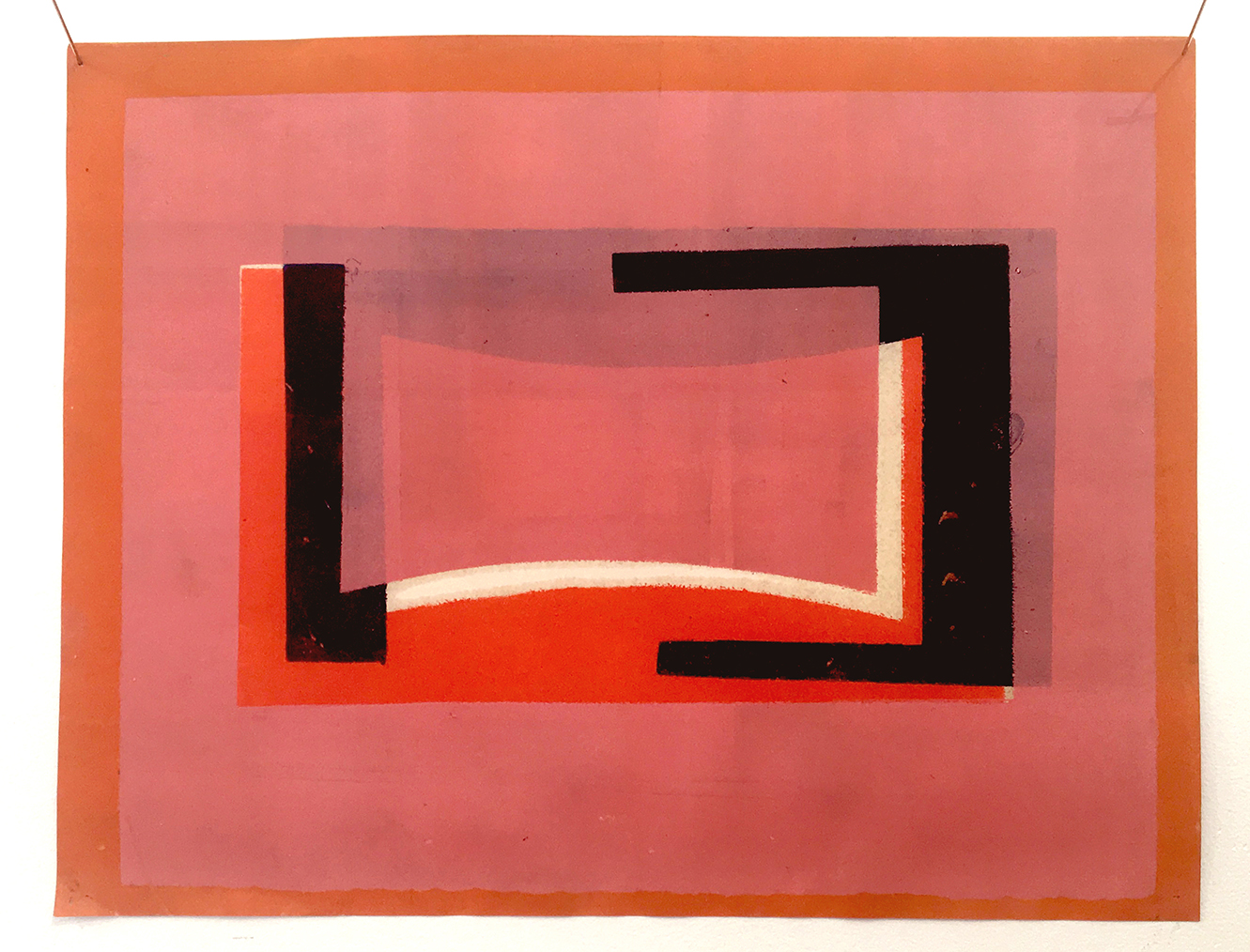
Another solo print, Sunset (for Albers), presents an elusive chromafield. With no lines, just furry, subtlly wandering edges, the wide-horizontal composition feels spacious, expansive. One’s eyes roam, scanning the color chord on the left side, (warm orange/light Indian Red/cool orange). We note the smooth, oil-pastel chromahaze floating the top layer. Grounding the piece is a dense blue-black area. Its marred surface appears organic like the skin of a whale, bringing sentience to geometric art. Then coming into our awareness is a central coral overlay, which counters any insinuation of broader space or interior architecture. Without knowing it, we are beamed out of the corporeal and into an arcane mental space, a Sugimoto-unreadable theater of the mind.